Roses
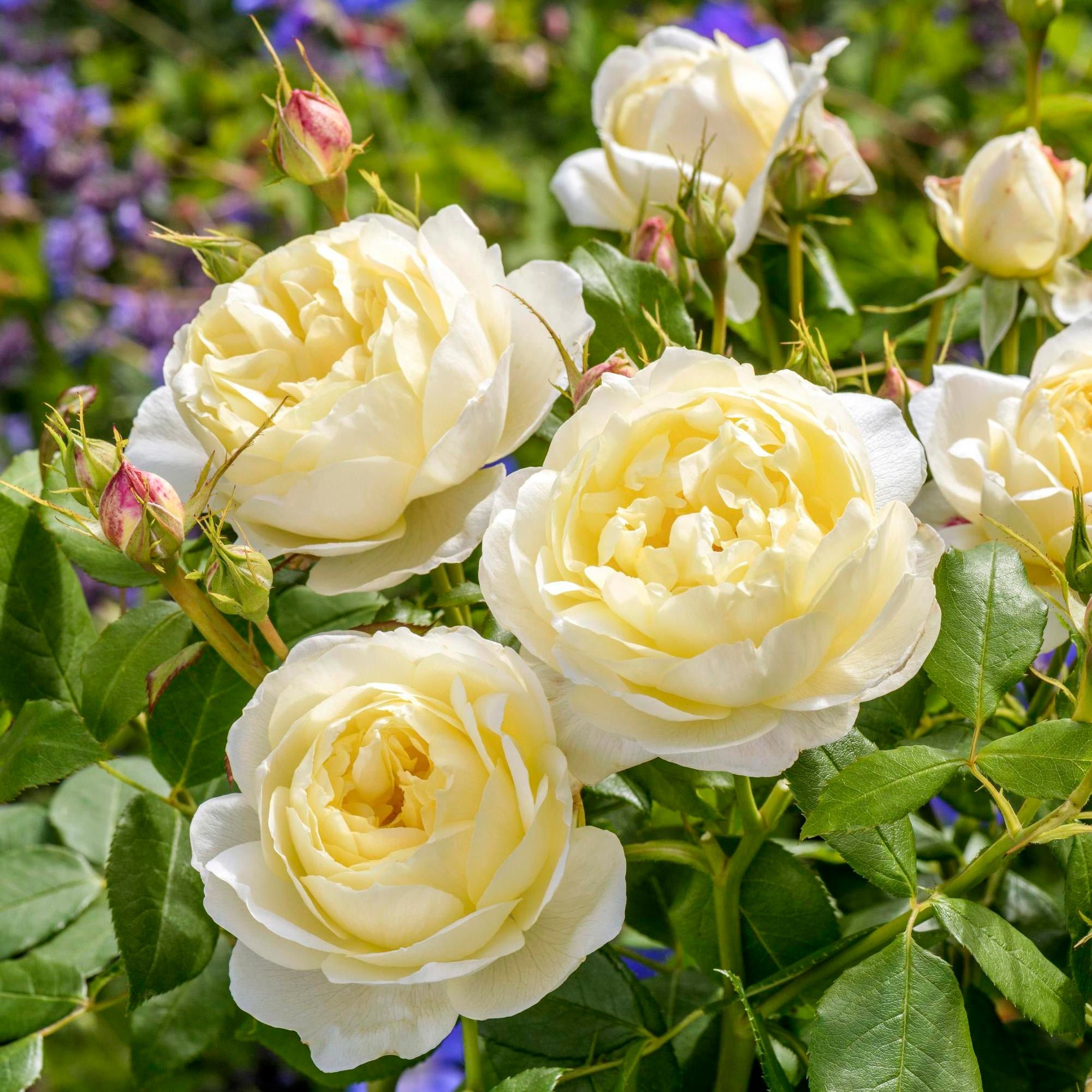
Roses are one of the most timeless flowering plants you can enjoy. The intoxicating fragrance, elegant form, lush petals and delightful colors continue to make roses a favorite addition to the garden. With proper care, you shouldn't need to use harsh chemicals to enjoy healthy, beautiful blooms from spring until late fall.
2026 Rose List
We expect roses to be available late February.
Click the button below to view the list of roses we plan to carry this year. Please note that availability may vary as we may not receive all items ordered, and some quantities may be limited. We recommend calling ahead or emailing our buyer to confirm availability.
Download a PDF of the rose list here.
Questions? Email nicole@westseattlenursery.com
Rose Types
Hybrid teas became the first modern rose type when introduced in 1867. The wide range of colors and large fragrant blooms, make these a favorite of seasoned gardeners, exhibitors, and florists. They can be higher maintenance and more susceptible to pests and diseases than other roses.
Approximately 3-8’ tall
Shown: Martha Stewart
These taller shrub types, which were introduced in the 1950s, are a cross between hybrid teas and floribundas. They are characterized by clusters of 5-7 large, showy blooms on robust stems. Use in a mixed border, as hedging, or as a striking focal point in the landscape. Makes an excellent cut flower.
Approximately 3-8' tall
Shown: Fragrant Plum
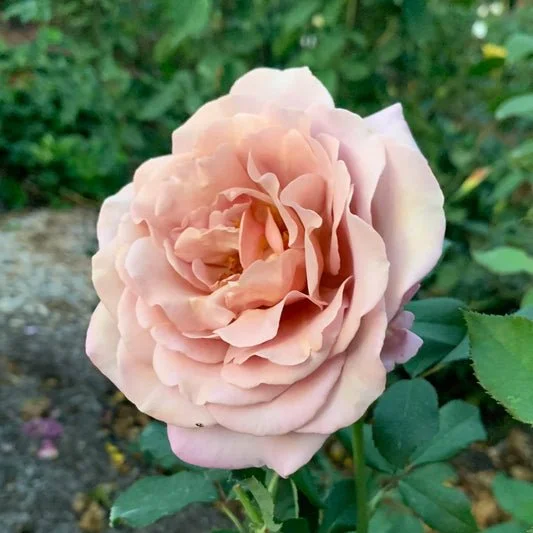
First developed around 1940, floribunda flowers are smaller than hybrid teas, but are borne in profuse clusters on bushy plants, creating a striking effect in the landscape. They are suitable in mixed cottage-style borders, massed along a slope for erosion control, as privacy hedging, or in containers.
Approximately 2-5' tall
Shown: Koko Loko
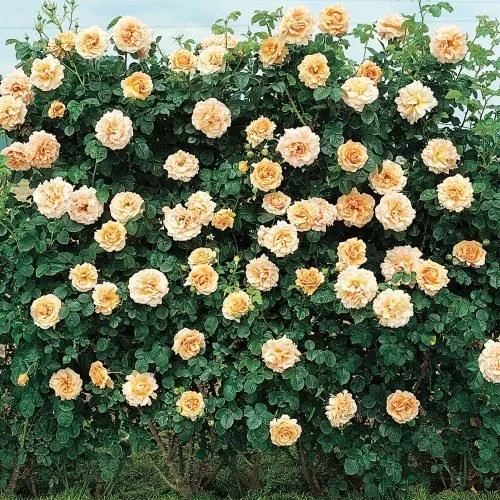
These are the romantic vining types that are seen growing up pergolas and arbors and trained along fences. Unlike true vines, they don’t climb on their own and need careful training and sturdy support. Climbers are best used as screening and to provide vertical interest in the landscape.
Approximately 6-12' tall
Shown: Tangerine Skies
Known for their easy care, extended blooming season with repeat flowering, and increased disease resistance when compared to traditional tea roses. These fast-growing, compact, deciduous shrubs can be grown singly or in groups.
Approximately 3-4' tall
Shown: Double Knock Out
Known for their easy care, and increased disease resistance when compared to traditional tea roses, these fast-growing, deciduous shrubs can be grown singly or in groups.
Shown: Oranges 'n' Lemons
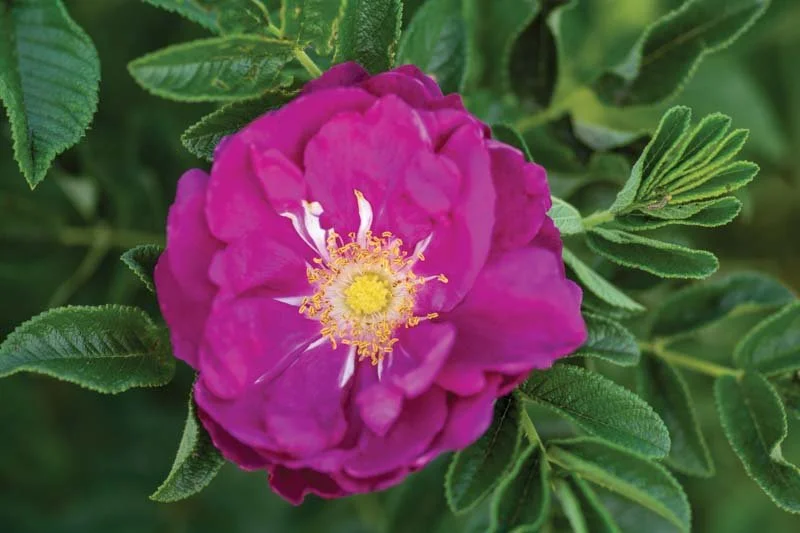
Sometimes called “wild” roses (although most are modern hybrids), Rugosa roses are the toughest, most resilient roses for our climate. Most rugosas are in shades of pink or white. Quilted rich green foliage and rose hips are defining characteristics.
Approximately 4-6' tall
Shown: Moje Hammarberg
Bred for their compact size and diminutive one-inch blooms, the name is somewhat deceiving, as some varieties can grow as large as floribunda. Flower clusters occur on sturdy plants in shrub or climbing forms.
Approximately 1-3’ tall
Shown: Warm & Fuzzy
David Austin Roses have the look of Old Roses, but have been bred for improved fragrance, disease resistance, and repeat bloom. Most David Austin roses have large, densely petaled blooms and are known as English Roses.
Shown: Golden Celebration